
Why Microchipping is Critical for Pet Safety
Even the most careful pet owners can experience the panic of a missing pet. A gate gets left open for a moment, fireworks send a dog bolting across the yard, a leash snaps during a walk, moving day creates chaos, and suddenly an indoor cat slips through an open door. It happens more often than many people realize, including with pets who rarely spend time outside.
That’s why microchipping is considered one of the simplest and most effective ways to improve the chances of bringing a lost pet home safely. While collars and ID tags are important, they are not always enough on their own. A microchip provides permanent identification that stays with your pet for life.
What is a Pet Microchip?
How Microchips Work
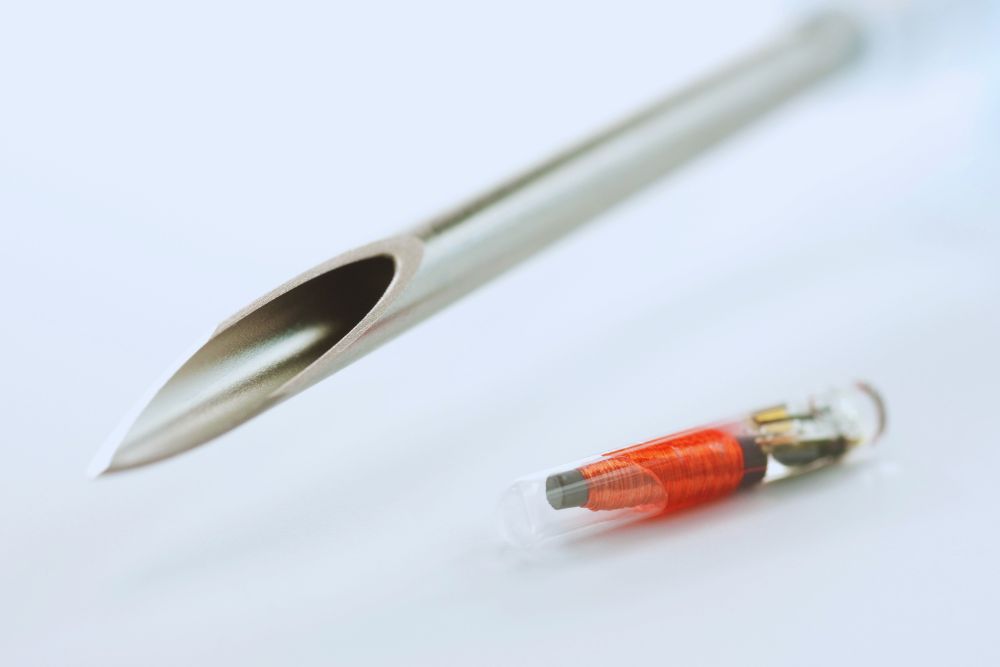
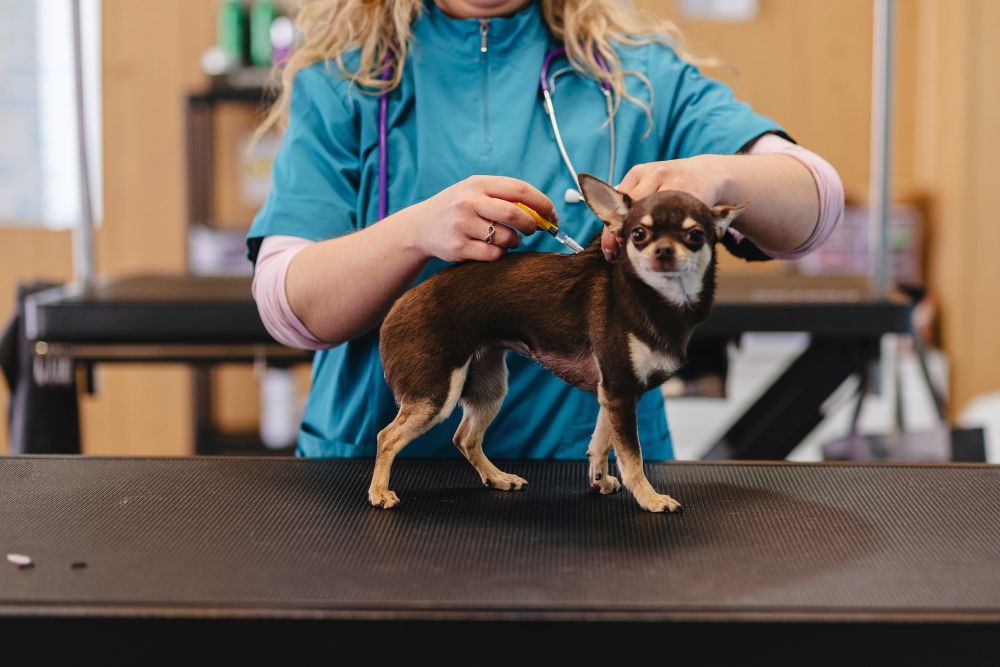
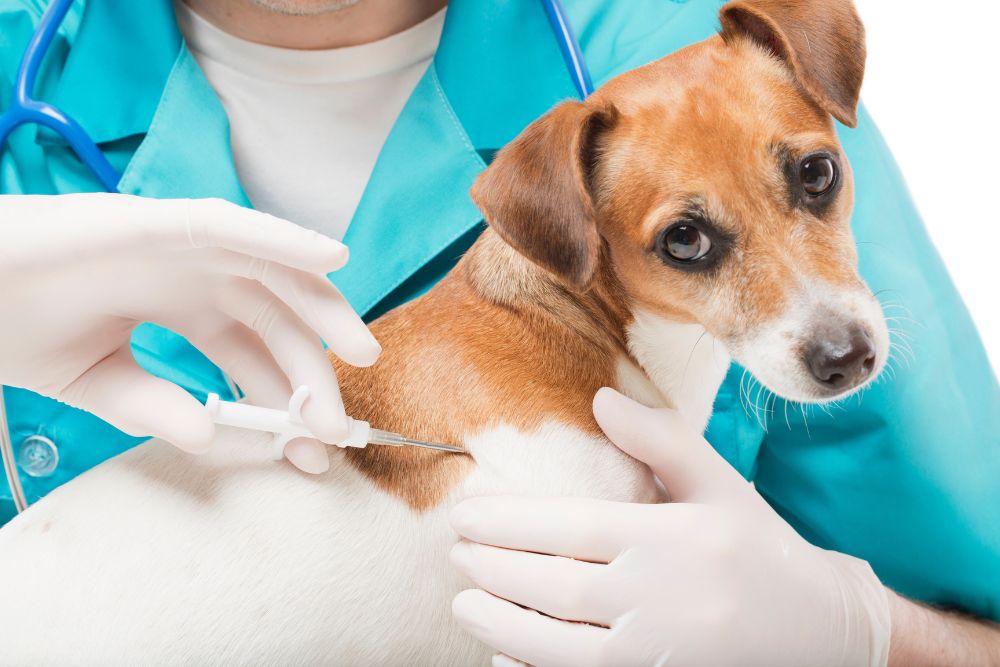
A pet microchip is a tiny device, about the size of a grain of rice, that is placed subcutaneously, usually between the shoulder blades. The procedure is quick and very similar to a routine vaccine appointment.
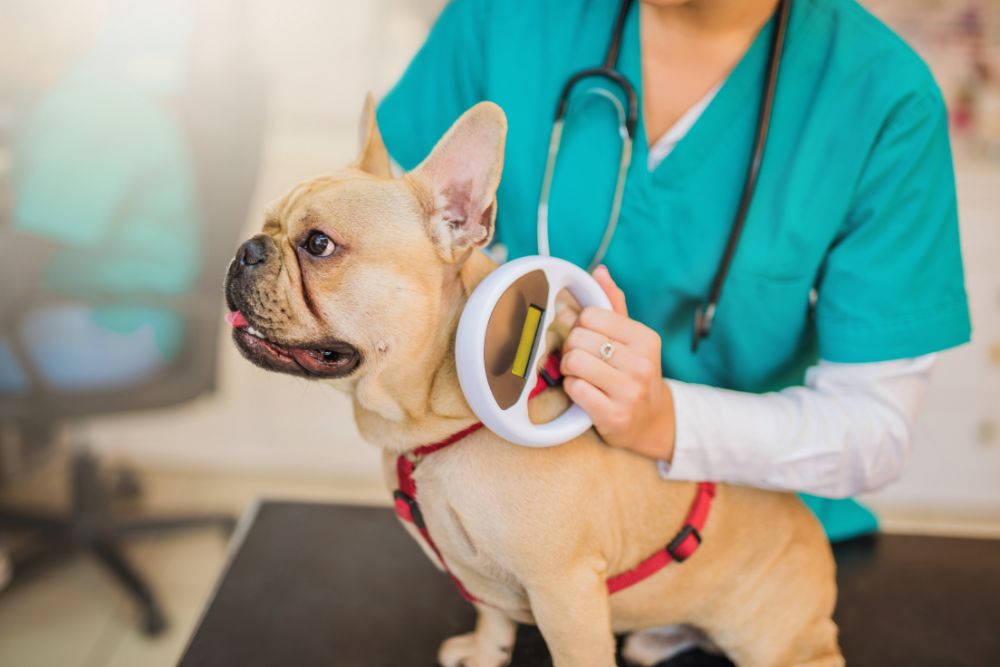
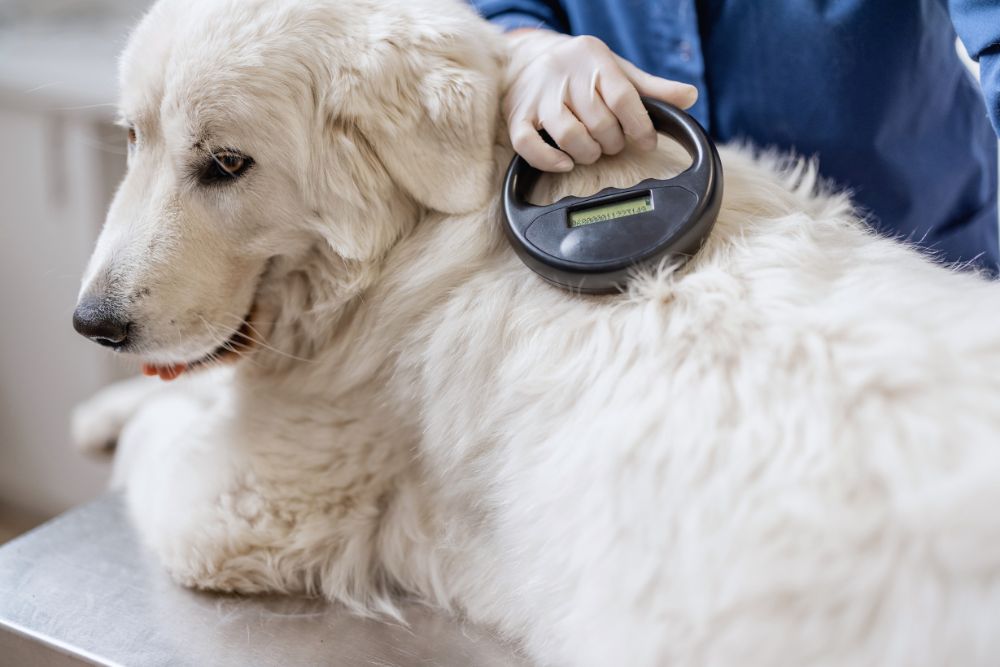
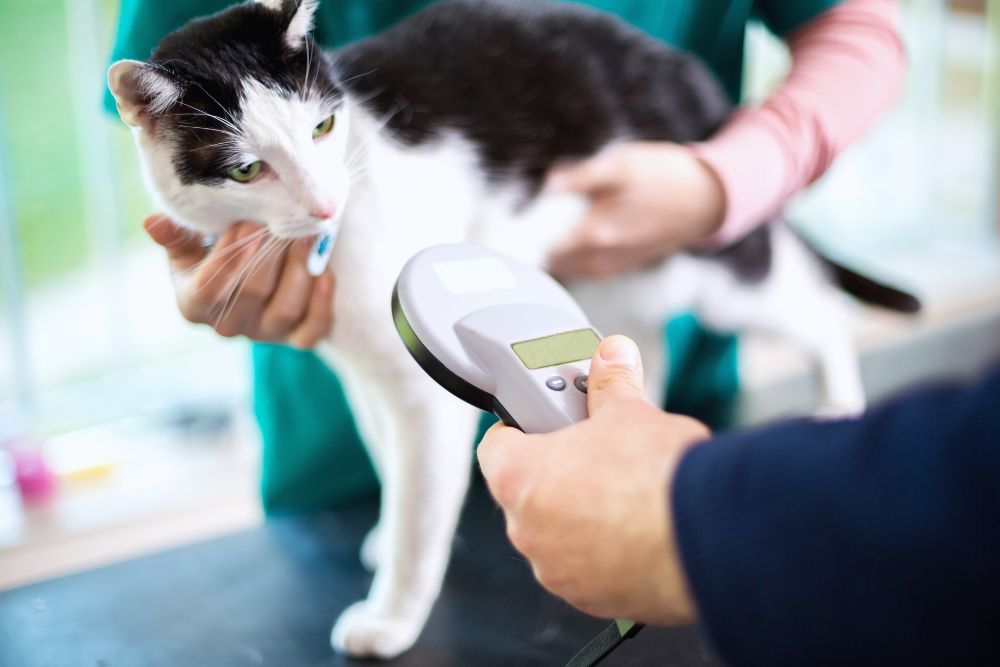
Each chip contains a unique identification number connected to the owner’s contact information in a secure database. When a lost pet is brought to a veterinary clinic or shelter, staff members use a handheld scanner to read the chip number and contact the owner.
“Microchipping gives pet owners an extra layer of protection when the unexpected happens,” explains Bandy H, COO of Resort for Pets. “We’ve seen firsthand how something so small can make an enormous difference in reuniting families with their pets.”
What a Microchip Does & Doesn’t Do
There are a few common misconceptions about microchips. First, a microchip is not a GPS tracker and cannot actively monitor your pet’s location. It also doesn’t store your pet’s full medical records on the chip itself. Its primary purpose is permanent identification. If your pet is found and scanned, the chip helps connect them back to you quickly.
Why Collars & Tags Alone Are Not Enough
Tags Can Fall Off or Become Unreadable
Collars and ID tags remain an important part of pet safety, but they can fail in stressful situations. Pets can slip out of collars when frightened, especially during storms or loud events. Tags may also become scratched, faded, or broken over time. Unfortunately, lost pets are often found without any visible identification at all.
Microchips Provide Permanent Identification
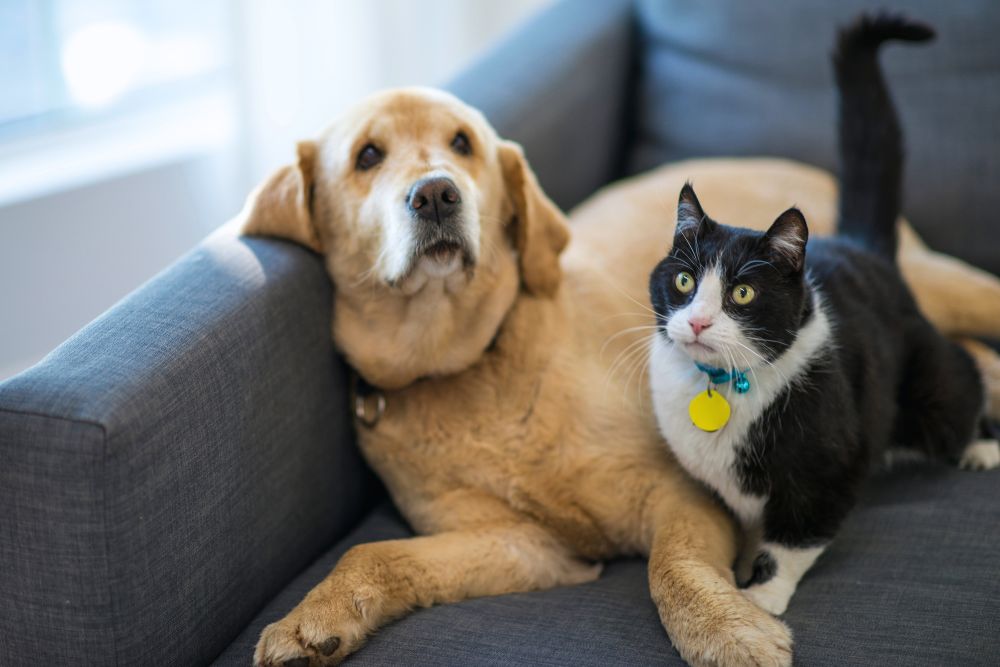
Unlike collars or tags, a microchip stays with your pet permanently. It can’t be removed accidentally or worn down by everyday activity. The strongest protection comes from combining both methods. Visible tags can help someone contact you immediately, while a microchip serves as a reliable backup if those tags are lost.
The Lifesaving Benefits of Microchipping Your Pet
Faster Reunions with Lost Pets
Animal shelters and veterinary hospitals routinely scan found pets for microchips. When contact information is current, identification can happen within minutes. That faster reunion reduces stress for both pets and owners. It can also prevent pets from spending unnecessary time in unfamiliar shelter environments.

Increased Chances of Returning Home
Research consistently shows that microchipped pets are more likely to be reunited with their families. In fact, the Journal of the American Animal Hospital Association reported that microchipped dogs and cats had significantly higher return-to-owner rates than pets without microchips.
Helps Prevent Long Shelter Stays
When pets can’t be identified, they may remain in shelters for extended periods while staff attempt to locate an owner. That experience can be stressful for animals already frightened by being lost. Microchips help shorten that process, allowing pets to return home faster and reducing the emotional strain associated with prolonged shelter stays.
Provides Peace of Mind for Pet Owners
No one expects their pet to go missing, but emergencies happen quickly. Microchipping offers reassurance during storms, travel, boarding stays, fireworks, and other unpredictable situations. For many families, that peace of mind alone makes microchipping worthwhile.
Is Microchipping Safe for Dogs & Cats?
A Quick & Routine Procedure
Microchipping is considered a safe and routine veterinary procedure. Insertion takes only a few moments and does not require surgery or anesthesia in most cases. Many pets receive microchips during routine wellness visits, puppy and kitten appointments, or spay and neuter procedures.
Minimal Discomfort & Long-Term Protection
Most pets experience only mild, temporary discomfort similar to a standard vaccination. Serious complications are rare, and microchips are designed to last throughout a pet’s lifetime. Once implanted and properly registered, the chip provides ongoing identification without requiring replacement.
The Most Important Step After Microchipping
Keep Your Contact Information Updated
A microchip only works if the registration information attached to it remains accurate. If your phone number changes or you move to a new address, your pet’s registration should be updated immediately.
Be sure to review and update:
- Phone numbers
- Home addresses
- Emergency contact information
Check Registration After Moving
Life changes like relocations, ownership transfers, or changing phone carriers can easily leave old information attached to a microchip account. Checking registration details regularly helps ensure your pet can always be traced back to you if they become lost.
Which Pets Should be Microchipped?
Dogs of All Ages
Dogs can escape during walks, storms, fireworks displays, boarding stays, or unexpected accidents. Even well-trained dogs may panic in unfamiliar situations. Microchipping adds an important layer of protection for dogs at every stage of life.
Indoor Cats Included
Many cat owners assume indoor cats do not need microchips. In reality, indoor cats are often at high risk if they accidentally get outside because they are unfamiliar with outdoor environments. A frightened indoor cat may hide silently, run long distances, or struggle to find its way home.
Newly Adopted Puppies & Kittens
Microchipping early helps establish lifelong preventative care habits while protecting young pets during their adjustment period. Curious puppies and kittens are especially prone to slipping through doors, squeezing through fences, or wandering into unsafe situations.
Microchipping as Part of Preventative Veterinary Care
Microchipping works best when it is part of a larger preventative care plan focused on keeping pets healthy and protected throughout every stage of life. Regular wellness exams, vaccinations, parasite prevention, and spay or neuter care all play important roles in your pet’s long-term health and safety. Microchipping complements those services by helping ensure pets can find their way back home if the unexpected happens.
Whether you’ve recently adopted a new puppy, have an adventurous indoor cat, or simply want additional peace of mind, microchipping is a small step that can make a lifesaving difference.